


A genuine hand-lasted Italian shoe rarely drops under $200 — but the calfskin and suede sneakers coming out of the same workshops regularly do, and that's the real answer to a "designer shoes under 200" search in 2026.
Why this matters
Search results for "designer shoes under 200" mostly serve up two disappointing categories: outlet sneakers wearing a designer name loosely, or exotic-skin dress shoes marked "sale" that still land at $400 and up. Neither answers the actual question. At Dellamoda, the honest answer sits in a narrower lane — calfskin and suede sneakers, plus a handful of full-grain leather loafers, priced well below the crocodile and alligator pairs that define most of the catalog.
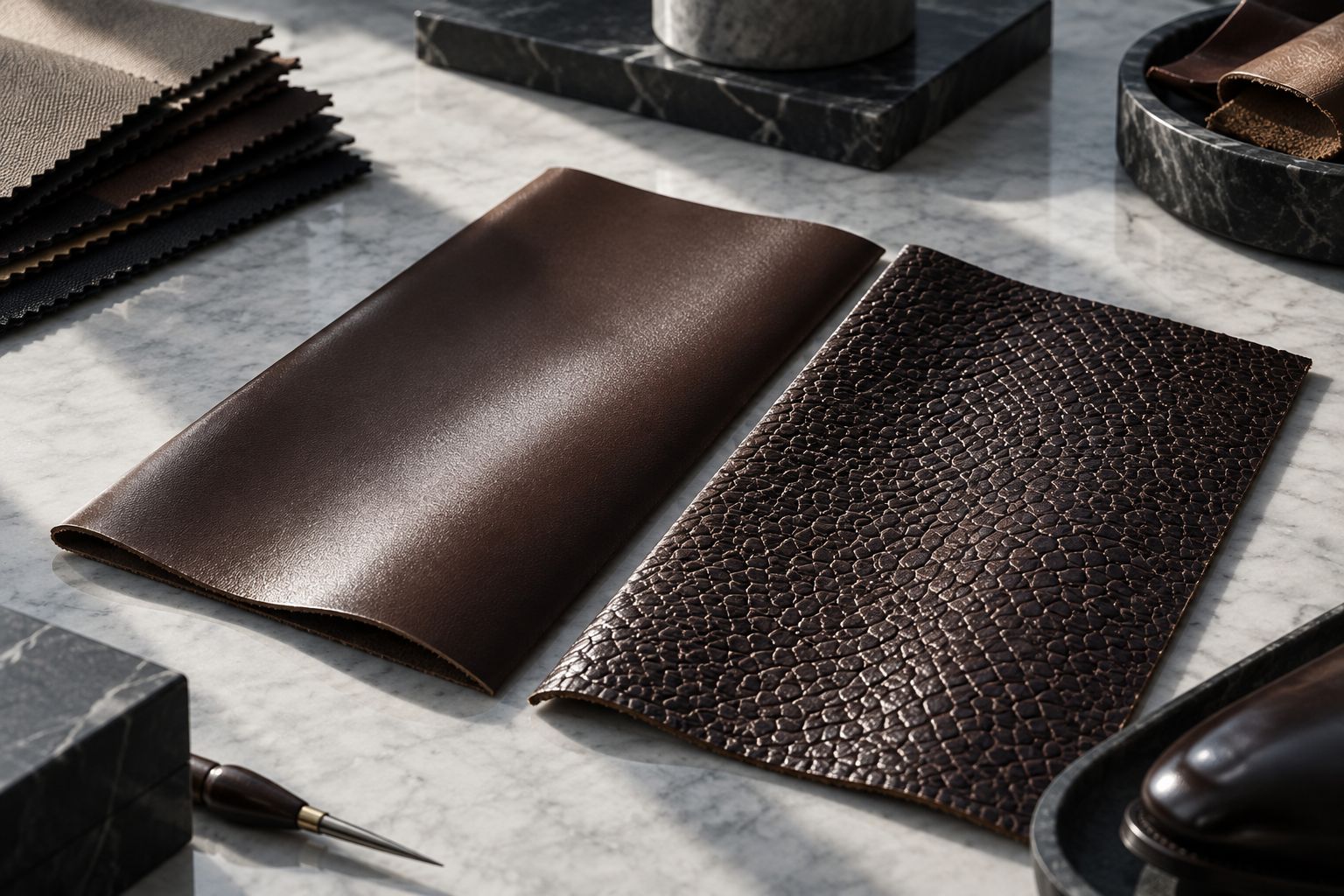
That gap isn't a marketing trick. Alligator and crocodile hides cost tanneries several times what calfskin costs before a single stitch goes in, and that difference carries straight through to the register. Shopping the calfskin and suede tier on purpose, in 2026, gets you a real Italian-made shoe without pretending an exotic skin belongs at that price.
What actually separates a $200 shoe from an $800 one
- Hide type — calfskin and suede cost less to source and tan than alligator, crocodile or ostrich
- Construction — a cemented sole costs less to produce than a Goodyear-welted or hand-lasted build
- Finishing — hand-painted patina and hand-stitched broguing add labor hours a plain sneaker skips entirely
- Brand pedigree — an established Italian workshop's entry sneaker still carries the pattern-making and quality control of its pricier lines
- Versatility — a shoe that moves between denim and tailored trousers earns its place at any price point
At a glance
| Shoe | Best for | Standout feature | Key limitation |
|---|---|---|---|
| Artioli Stephen sneaker | Everyday sneaker rotation | Deer skin and calfskin combined upper | Casual only — not built for tailored occasions |
| Franceschetti Marco sneaker | Warm-weather off-duty style | Suede upper breathes better in heat | Suede needs a protector spray before first wear |
| Magnanni Diezma II loafer | Office-to-weekend loafer | Full-grain leather with a penny strap | Formal enough for the office, not much dressier |
| Mauri 8434 sneaker | Bolder casual statement | Multi-material paneled construction | More texture than a minimalist wardrobe wants |
1. Artioli Stephen sneaker: suited to everyday sneaker rotation
Artioli built its name on exotic-skin dress shoes, and the Artioli Stephen deer skin sneaker pairs deer skin with calfskin leather in a low-profile casual silhouette. It's the kind of shoe you put on without thinking twice — denim, chinos, an unstructured blazer, all of it works.
Artioli Stephen sneaker pros:
- Deer skin gives a softer hand-feel than a straight calfskin sneaker
- Low-profile silhouette works under tailored trousers, not just denim
- Carries quality control from a workshop known primarily for its exotic-skin formal shoes
Artioli Stephen sneaker cons:
- Casual silhouette only — it won't substitute for a dress shoe
- Deer skin needs conditioning more often than a full-grain construction would
Best for: a first Artioli purchase for someone not ready to commit to the brand's exotic-skin oxfords. Verdict: Buy if you want one versatile daily sneaker with more material interest than a plain leather pair.
2. Franceschetti Marco sneaker: suited to warm-weather off-duty style
The Franceschetti Marco suede sneaker trades calfskin for suede, which breathes better across a warm afternoon and reads more relaxed than a polished leather upper.
Franceschetti Marco sneaker pros:
- Suede's matte texture reads more casual than polished calfskin
- Breathability makes it the better pick for warm climates or long summer days
- Works barefoot or with no-show socks without looking undone
Franceschetti Marco sneaker cons:
- Suede marks more easily in rain than sealed leather
- Needs a suede brush and protector spray as ongoing upkeep, not a one-time step
Best for: building a warm-weather or resort-adjacent rotation. Verdict: Buy if you're not fighting rain most of the year; Skip if you live somewhere wet nine months of it and don't want the maintenance.
3. Magnanni Diezma II loafer: suited to the office-to-weekend loafer
The Magnanni Diezma II penny loafer is built in black full-grain leather with a penny strap — the most traditional silhouette on this list, and the one most likely to survive a dress code.
Magnanni Diezma II loafer pros:
- Full-grain leather holds a shine better than suede or nubuck over years of wear
- Penny loafer silhouette clears business-casual dress codes without looking overdressed
- The most conservative pick here, least likely to date
Magnanni Diezma II loafer cons:
- Less personality than the sneakers on this list — it won't read as a statement piece
- Full-grain leather still needs a break-in period before it moves like a worn-in shoe
Best for: one designer shoe that has to work Monday through Saturday. Verdict: Buy — this is the safest single purchase if you can only make one.
4. Mauri 8434 sneaker: suited to a bolder casual statement
Mauri is better known for full alligator and ostrich sneakers running into four figures, and the Mauri 8434 multi-material sneaker brings some of that layered-texture instinct down to a more accessible tier by mixing materials instead of relying on one exotic skin.
Mauri 8434 sneaker pros:
- Multi-material paneling gives more visual interest than a one-material sneaker
- The accessible entry point into a name whose exotic-skin sneakers price far higher
- Reads as a considered choice, not a plain white sneaker
Mauri 8434 sneaker cons:
- The texture mixing is a lot for a minimalist wardrobe
- Multiple materials mean multiple care routines instead of one
Best for: a shopper who wants Mauri's name without the exotic-skin price tier. Verdict: Buy if your wardrobe already leans toward texture and pattern; Wait if you're still building a foundational rotation first.
Worth a mention outside the four above: Duca's SA118 calf-skin leather sandal skips laces and suede upkeep entirely, which matters more than sneaker styling if warm-weather footwear is the actual gap in your closet.
How the styles differ
The order above follows the criteria laid out earlier — hide type, construction, finishing, brand pedigree and versatility — weighted toward which shoe earns its keep across the most occasions. A sneaker that only works with one outfit loses to one that works with three, and a shoe from a house whose formal work you already trust gets credit its unbranded equivalent wouldn't.
“A calfskin sneaker isn't a downgrade from an exotic-skin oxford — it's a different wardrobe decision.”
Which one should you buy?
If you can only make one purchase near this price ceiling in 2026, the Magnanni Diezma II loafer is the safer buy — it clears more dress codes than any sneaker on this list. If your wardrobe is sneaker-first already, the Artioli Stephen does more with its deer skin and calfskin mix than a single-material sneaker at the same tier. Save the alligator and crocodile pairs for when the budget stretches past $200 on purpose, not by accident.
FAQ
What's the best designer shoe under $200 at Dellamoda in 2026?
Calfskin and suede sneakers sit closest to that range, with the Artioli Stephen sneaker and Franceschetti Marco sneaker as the two strongest entry points. Exotic-skin dress shoes and boots typically start well above $200.
Are alligator or crocodile designer shoes ever available for under $200?
Practically never. Exotic hides cost tanneries several times what calfskin costs before construction even begins, and that cost carries through to the shelf price.
Is a calfskin sneaker as durable as a hand-lasted oxford?
Durability comes from construction more than hide. A cemented sneaker sole wears differently than a Goodyear-welted or hand-lasted build, so compare construction type, not just the leather.
How do I know if a designer shoe is authentic before buying?
Check stitching consistency, hardware weight, and lining quality against known details for the brand. Buying from a vetted retailer removes most of the guesswork.
How do European shoe sizes convert to US sizing for designer brands?
A European size 43 typically converts to a US men's size 10, though fit still varies slightly by brand and last shape.
Should I buy an entry-level designer sneaker or save for an exotic-skin pair?
Buy the sneaker now if you need a working shoe today; save for the exotic-skin pair only once you already own a solid daily rotation, since it earns a narrower range of occasions.
What's the most versatile designer shoe close to a $200 budget?
The Artioli Stephen sneaker, because its deer skin and calfskin upper moves between denim and tailored trousers without looking mismatched either way.
One last thing
A lot of the listings that surface for "designer shoes under 200" online are last-season closeouts, gray-market imports, or outright replicas wearing a familiar name. The lowest number on a page isn't the goal — a verified, authentic pair from a retailer that stands behind the listing is worth more than shaving another $30 off an unverified one. Check current pricing and availability directly on the product page before you decide anything.